

 Deutsch
 Italiano
 русский
  Français
 日本語
日本語 عربي
عربي  Español
 Português
 فارسی
فارسی Ελληνικά
The ultimate guide to container houses: Modern Living Redefined
Container houses have grown in popularity as an innovative and environmentally friendly solution for modern living. These homes, made from repurposed shipping containers, provide a unique combination of durability, affordability, and environmental friendliness. In this blog, we will go over everything you need to know about container houses, from their advantages and design options to the steps involved in building one.
What are Container Houses?
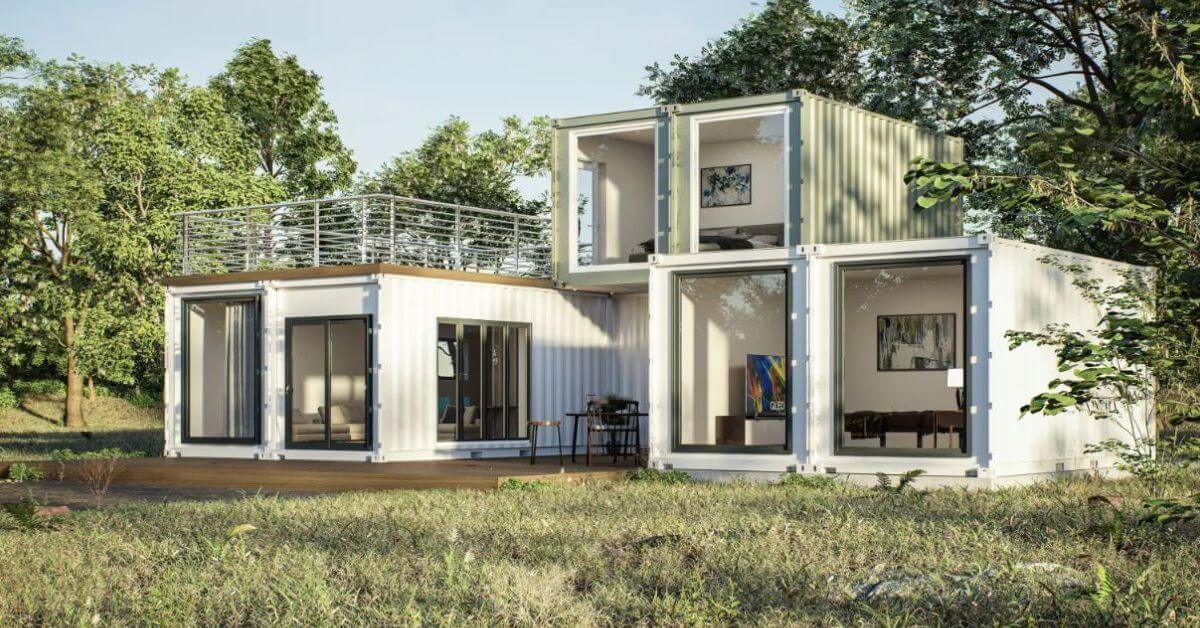
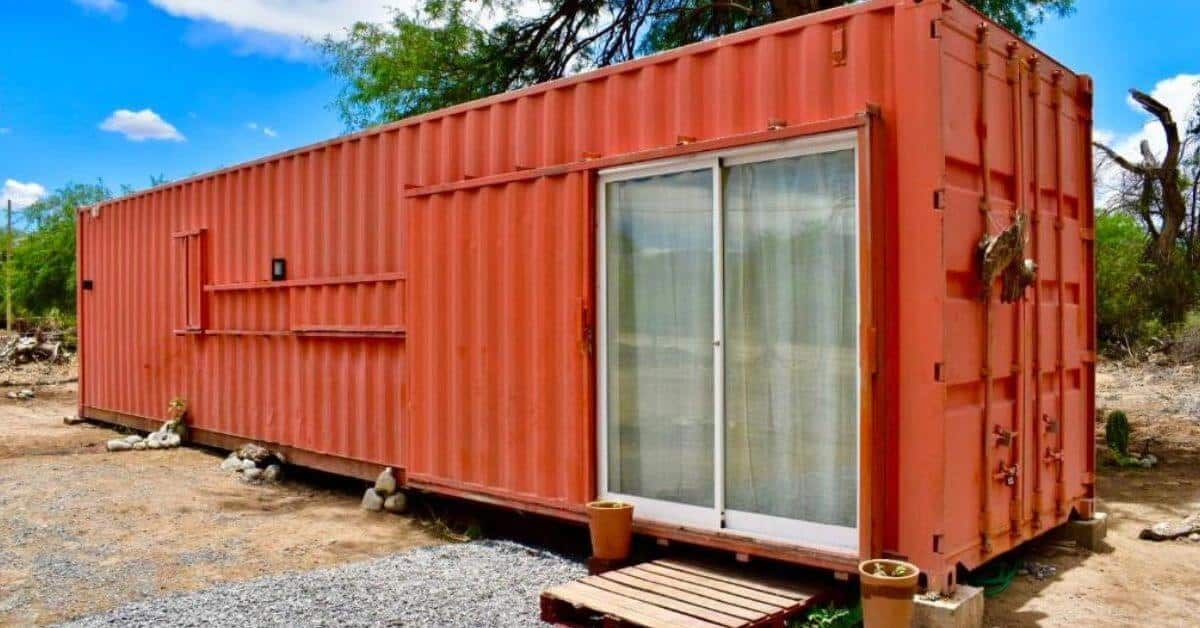
Container houses are residential structures made of steel shipping containers, which are typically used to transport goods around the globe. These containers are repurposed and converted into livable spaces, providing a versatile and affordable housing solution.
Benefits of Container Houses
Sustainability
One of the most significant advantages of container houses is their sustainability. Repurposing shipping containers reduces waste and encourages recycling, making it a greener alternative to traditional construction methods. Furthermore, the steel used in containers is extremely durable, ensuring a long life for the structure.
Affordability
Container houses are often less expensive than traditional homes. The cost of purchasing and converting a shipping container is significantly less than traditional building materials and construction methods. This makes container homes an appealing option for those who want to own a home without breaking the bank.
Speed of Construction
Building a container house is typically faster than constructing a traditional home. The basic structure is already in place, so construction time is significantly reduced. This enables homeowners to move in much sooner than with a traditional build.
Flexibility
Container house are very adaptable and can be made to fit a wide range of requirements and tastes. They can be stacked, arranged, and changed in a variety of ways to make distinctive and useful living areas. Container homes present countless options for any type of home, from a multi-story family home to a compact studio.
Movement
The portability of container house is one of their distinctive qualities. Depending on the design, container homes can be relocated with relative ease, making them an excellent option for those who value flexibility and the ability to move their home to different locations.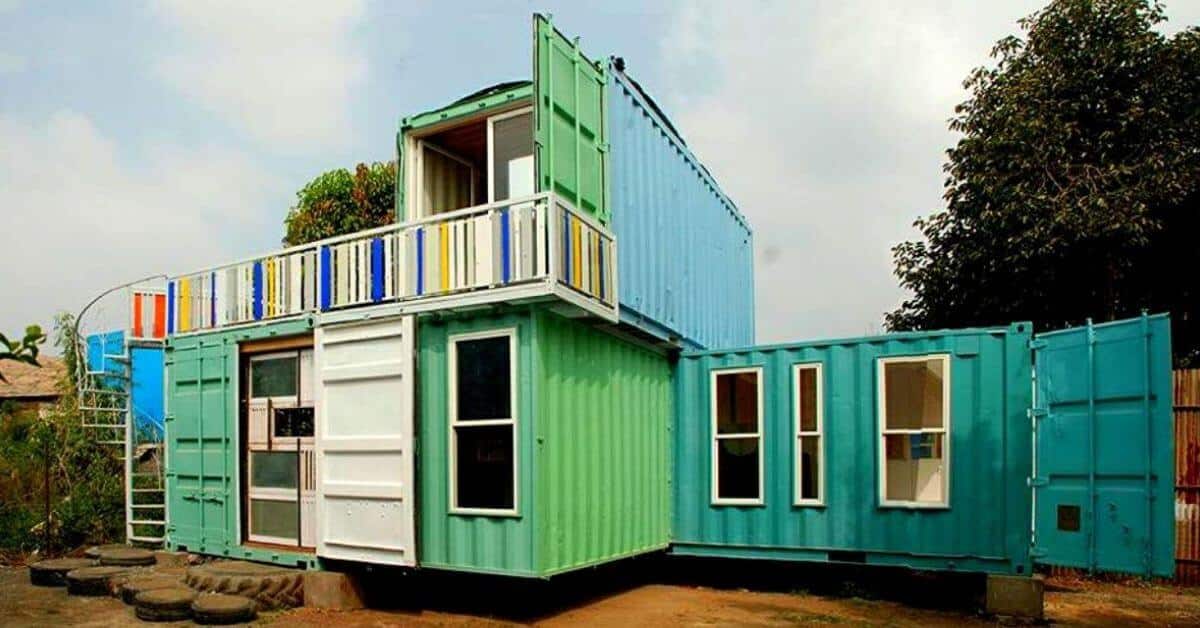
Options for Container House Designs
Houses with a single room
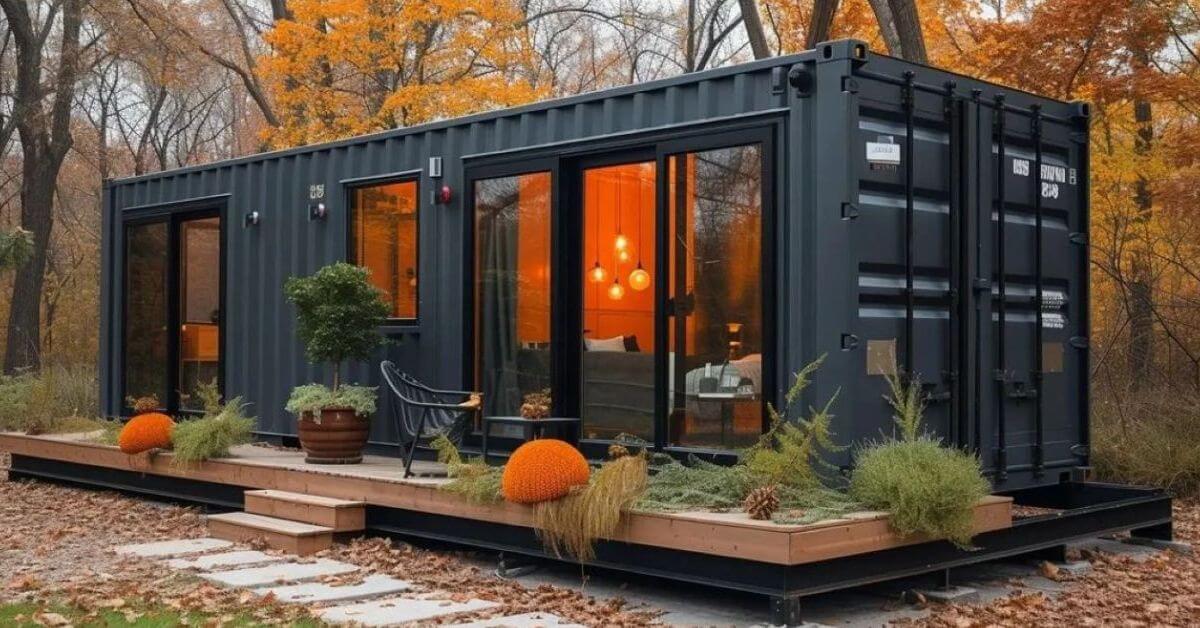
For individuals or couples, a single-container home can provide a compact and efficient living space. These homes usually consist of a living area, kitchen, bathroom, and bedroom, all contained in a 20- or 40-foot container. With clever design and space-saving solutions, single-container house can be both comfortable and stylish.
Houses with Many Container
Multi-container house are a great option for families with more members or those who simply want more space. You can build large living spaces with numerous bedrooms, bathrooms, and even extra features like a home office or gym by combining multiple containers. The containers can be set up in different ways to get the layout and appearance that you want.
Pile-Up Containers
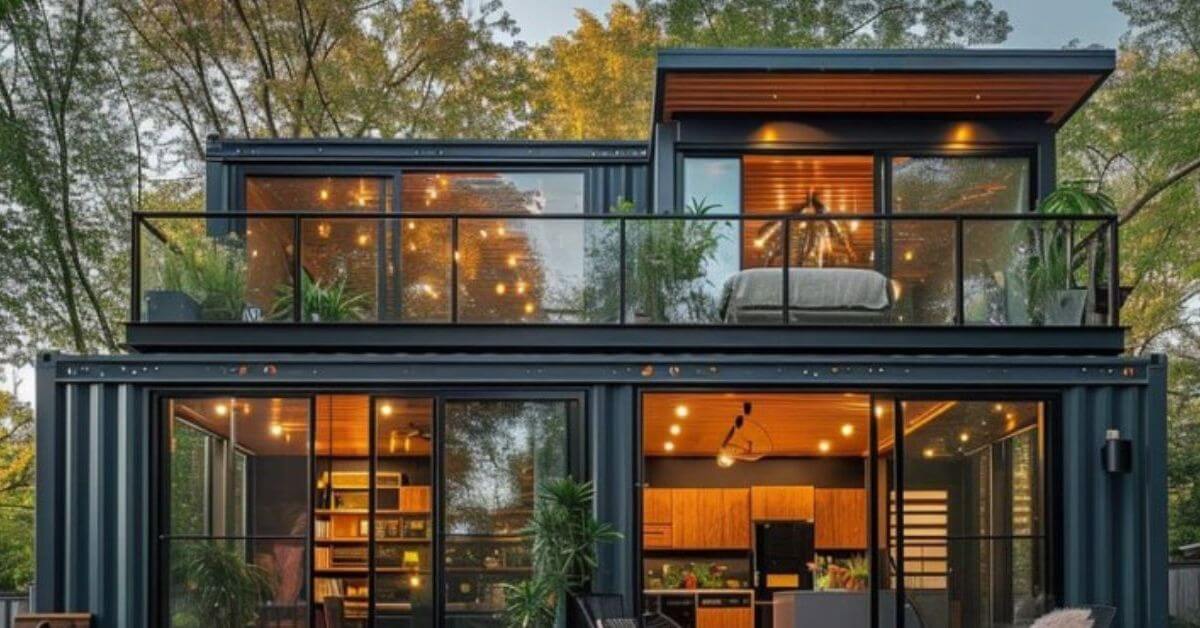
Multi-story homes are made possible by the popular design choice of stacking containers. This method gives the impression of a more traditional home while maximizing vertical space. Large windows, rooftop gardens, and balconies are some ways that stacked container house can improve the quality of life.
Composite Patterns
Customized building materials and shipping containers are combined in hybrid designs to produce one-of-a-kind, cutting-edge homes. For added aesthetic appeal and practicality, you could, for instance, use glass, brick, or wood with containers for the main structure. By combining the advantages of Container House construction with traditional materials, hybrid designs provide the best of both worlds.
How to Build a Container Home:
Planning and Design
Planning and designing a container home thoroughly is the first step in the construction process. Take into account your spending limit, the amount of space you need, and your aesthetic tastes. You can create a comprehensive plan that fits your needs and complies with local building regulations by working with an architect or designer who has experience with container homes.
Jar Choice
The success of your project depends on your choice of containers. Check the containers House condition and keep an eye out for any damage or rust. Ascertain the quantity and dimensions of containers you will require by consulting your design plan.
Setting Up the Location
Prepare the location of your container house before construction starts. This entails preparing the ground, installing a foundation, and making sure that drainage is adequate. The size of your container home and the local soil conditions will determine the type of foundation you need.
Changing the Containers
The containers must be adjusted in accordance with your design once the site is prepared. This entails making the necessary incisions for windows and doors installing insulation in container house and strengthening the structure as necessary. The changes could be completed off-site and then brought to the building site.
Putting the Structure Together
Once the changes are finished, the containers are delivered to the location and put together. This entails positioning the containers on the foundation, fastening them together, and making sure they line up correctly. The most common methods for joining the container house are welding and bolting.
Finishing on the inside and outside
Now that the framework is in place, the interior and exterior need to be completed. Installing interior walls, HVAC, electrical, and plumbing systems is part of this. Cladding, paint, or other materials can be used to finish the exterior of the container house to improve its appearance and longevity.


