

 Deutsch
 Italiano
 русский
 Français
 日本語
 عربي
 Español
 Português
 فارسی
 Ελληνικά
How to Build a Shipping Container Home: A Complete Guide
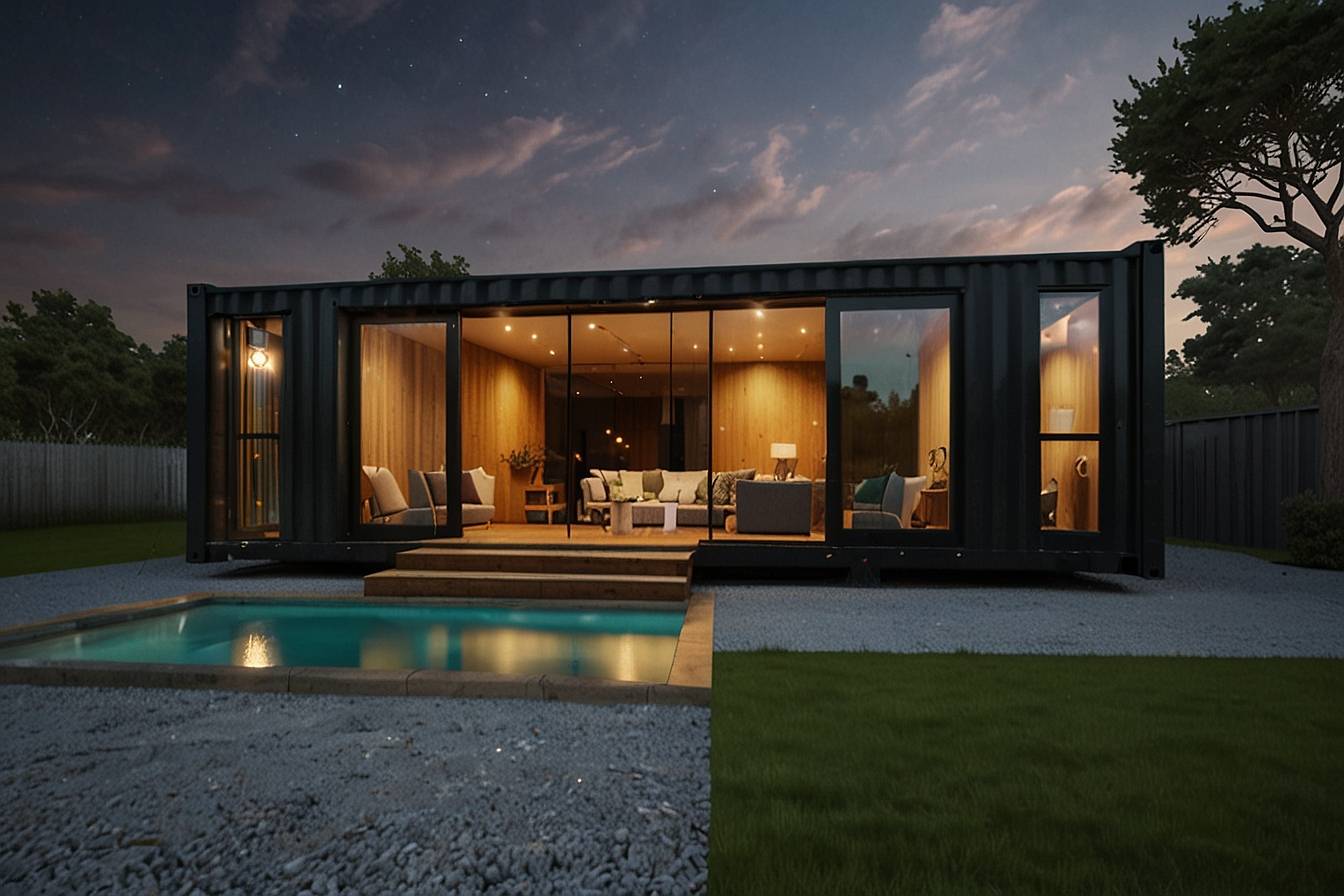
Today, potential homebuyers have a plethora of choices when it comes to home architectural styles-ranch, Cape Cod, bungalow, colonial, and contemporary are just the tip of the iceberg. Many people want a home that meets their functional needs while also fitting their style and budget.
While most buyers ultimately choose a more common or popular style, some dare to be different and go with a unique or trendy home design. One increasingly popular option is to convert shipping containers into homes.
Benefits of Shipping Container Homes
Besides having a unique style of home that no one else you know may have, building a shipping container home also has some real benefits and advantages.

There are some significant benefits of building a house using shipping containers:
Container homes are more cost-effective than traditional housing. Most container homes are built using 40-foot shipping containers. You can buy a used shipping container for about $2,500, or a brand new one for about $5,000. Container homes are more cost-effective than traditional housing because they require less building materials and labor to build.
Container homes are built quickly. If you are a professional contractor (or know a professional contractor), you can build a container house in a month or two. And the building process is so simple that anyone can use it.
They are modular homes. Container houses are easy to modify. Container homes can be built with a mix of 20-foot and 40-foot containers. Multiple shipping containers can also be easily combined to create a larger home with additional bedrooms, a second floor, or even a container guest house.
They are durable, low maintenance and safe. The containers are made of weathering steel to protect the goods during overseas transportation. Container homes made from weathering steel can withstand harsh weather conditions better than traditional homes. They can be made even more secure by adding patio doors, windows and other accessories.
They can be relocated. Let's say you need to relocate for whatever reason. In this case, you can make your container home mobile by hiring a shipping service to relocate your single container home to any place of your choice.
They are good for the environment. Steel is one of the most commonly recycled materials on earth, with up to 90% of its content recyclable. Even better, when a structure is made from shipping containers, the steel is 100% recycled, eliminating the need to expend energy dismantling and melting down the material.
Steps to Building a Container Home
Now that you're convinced that a container home is what you want, how do you get started? It takes some planning, preparation, and shopping to make this new dream home a reality.
The process of building a container home is similar to that of building a traditional home.

Most areas in the United States allow shipping container homes. And in many cases the designs are simpler and easier to prepare for permit submission.
While you might be able to cut corners during the construction part of the project, you have to go by the book when it comes to getting the initial paperwork for your shipping container home.
Before you even order a shipping container, make sure you have all the necessary building code permits and planning permission from the local entities. Ensure you're allowed to build a home and that a shipping container home complies with local and state policies.
If you are building a home out of a single container, you can probably assemble everything you need by yourself. You can use programs like Sketchup or Planner5D to produce basic designs for your permit application.
If your design is more complicated with multiple containers, it's probably best to work with an architect and structural engineer to ensure that the floor plan you have in mind for your shipping container house is structurally sound.
It's a good idea to find an architect who has worked with shipping containers in the past because building with them is entirely different than a typical wooden, steel, or brick building. Also keep in mind that anything you can put in a custom home, you can put in a container home.
Step 2: Purchase a Container

So, you're allowed to build your shipping container home. Great. Next, you'll need a shipping container. The scale of your plans will dictate the size, type, and condition of the shipping container you'll buy.
Shipping container prices can range from $2000-$6000.The cost of a shipping container primarily depends on its size, age, condition and location. Transportation cost can be 50-75% of the cost if your delivery location is far from the depot.
The most popular shipping container size used for homes is a 40-foot, high-cube container, which offers about 320 square feet of living space with 9.5-foot ceilings. That's enough for one to two bedrooms, one bathroom, and a decent-sized kitchen/living room combo space.

Used 40-foot high cube containers start around $3000 while new ones are 50% higher.
To make your shipping container house the best it can be, you'll want to do your homework before you buy from just any company. Think about cost, delivery options, the vendor's reputation, condition of the shipping container, financing, warranties, and past customer feedback.
Step 3: Prepare Your Land

You've ordered your shipping container, so the next step is to decide where you'll build your home and then prepare the land. That means preparing the ground itself, trenching for utilities, and the type of foundation you'll want to use for the home to keep it elevated from the bare ground. This will keep it safe from moisture, which could affect the contents and possibly lead to corrosion.
A foundation can range from concrete piers or wooden supports on the ground for a single shipping container up to a full basement for multiple shipping containers. Your decision will need to consider both what is structurally required, budget and your personal preferences.
If you decide on a poured concrete foundation, then plan on embedding steel plates into the concrete where the container corner blocks will rest. This will allow the shipping containers to be welded directly to the concrete foundation. Whichever form of foundation you choose to go with, it's best to include a vapor barrier over the bare earth.
Many shipping container home builders use concrete piers to elevate the containers leaving a crawl space below the home. This allows access to plumbing pipes and adding insulation to the bottom of the container.
You should also ensure there's a clear path for your shipping container to be delivered.
Step 4: Place the Containers

The easiest methods to place shipping containers on the foundation is with a delivery truck or a crane. For this reason, it may be preferable to wait until you have a foundation ready before ordering the containers.
Yet if you already ordered containers while building the foundation, nothing beats the ease, speed, and safety of a crane to move the containers into place. If you don't have one, you'll probably need to hire a local builder or rent a rough terrain forklift for a few hours.
Once your shipping container has been placed on the foundation, it's possible to make any final adjustments with a large crowbar or tractor.
Step 5: Cut Your Openings

Removing metal from shipping containers is necessary to add window and door openings to the container walls. There are many ways to cut through shipping container steel, including a plasma cutter, cutting torch, angle grinder, and even a jigsaw (for small openings). For removing an entire wall, a plasma cutter or cutting torch works best.
Note: Before starting to cut openings, make sure you've discussed it with your structural expert. Removing structural components of a shipping container can quickly create a dangerous situation if not done right.
Assuming you're good to go, start cutting holes for windows, doors, skylights and accessories to start making your shipping container look like a home. Depending on your skills, you might want to hire someone to do this for you.
If by cutting in your openings, you create any gaps, they will need to be sealed to protect the inside of the house from the outside elements.
Step 6: Add Doors, Windows, and Framing

It's time to add doors, windows, and flooring. You can go as basic or fancy as you want – regular, sliding or French doors, and standard or cranking windows. Whatever style you prefer should work.
Some choose traditional wood framing for windows and doors on container homes. However, most choose metal framing that can be welded to the container at the door and window openings.
To save as much interior space as possible, some suggest turning the studs sideways so the framing only takes up 1.5 inches of space instead of 3.5 inches.

You also may consider using 1 1/2″ steel studs to frame the shipping container's inside. They secure pretty well to drywall and are stiff enough if you end up using spray foam insulation. In areas that foam did not connect the wall and studs, steel studs might be needed.
Whichever method you choose, try to include a thermal break between the studs and the shipping container's metal walls. This is especially important when using steel studs as they efficiently conduct heat from the interior spaces.
One of the significant savings when building a home with shipping containers is not having to install a subfloor. Shipping containers come with an ultra-strong 1-⅛" marine plywood floors supported by 6-inch steel crossbeams. Almost any type of flooring can be mounted directly on top.
Step 8: Install Electric and Plumbing

Even if you don't know how much electric wiring you'll want yet, it's easier and cheaper to wire most of it at this point. One potential difficulty in wiring is getting the wire past some remnants of the removed container walls. One option is to run the wire around the steel and make a custom nail protector – it's an easy and cheap fix.
Most container home builders will run much of the utility wires and pipes either below the container's floor or above the finished ceiling because the side walls usually aren't wide enough to accommodate them.
When considering electric wiring and plumbing, think about if you'll be adding HVAC systems or an outside AC unit. Also, consider solar panels for electricity. If you place panels on your roof, as well as add in a glass door, you'll be able to capture more of the natural sunlight and its energy.
Step 9: Insulation and Temperature Control

You'll need insulation to help control the interior temperature of your shipping container house. Keep in mind that you'll lose a little bit of living space if you insulate the inside.
You can insulate on the exterior if that is a concern. Cedar, vinyl, and even log siding can be applied over a shipping container's insulated exterior. Having the outside insulation also allows you to utilize the entire space of the shipping containers, as long as you like the look of corrugated steel walls in your interior.
The type of insulation you use – spray foam, panels, etc. – will also depend on where you live or what you prefer. Spray foam insulation is commonly used, but it's the most expensive type.
Step 9: Insulation and Temperature Control

Now that your new shipping container home looks good, think about the space around the shipping container. Because the interior of a container home may be on the smaller side, consider adding a nice deck to extend the living space to the outside. By adding a roof or awning over the deck, you could have a 3-season outdoor living room or kitchen area.
Also adding landscaping areas ensures that your home fits in with its natural surroundings. You can also start painting the interior, lay floor coverings, and make your new container house a home.
Step 11: Inspection and Sign-off
Here's the test. All your planning and hard work is about to pay off. Your new shipping container house is ready for inspection to see if it's up to building code. Before calling the inspector, have your engineer and other structural experts take one final look so you can address any needed changes to the shipping container building. Keep your fingers crossed.
Building a shipping container home takes much planning and preparation, but it's totally worth it. It's cost-efficient, mobile, and customizable. Begin the process of building your new shipping container home by browsing containers near you.


